

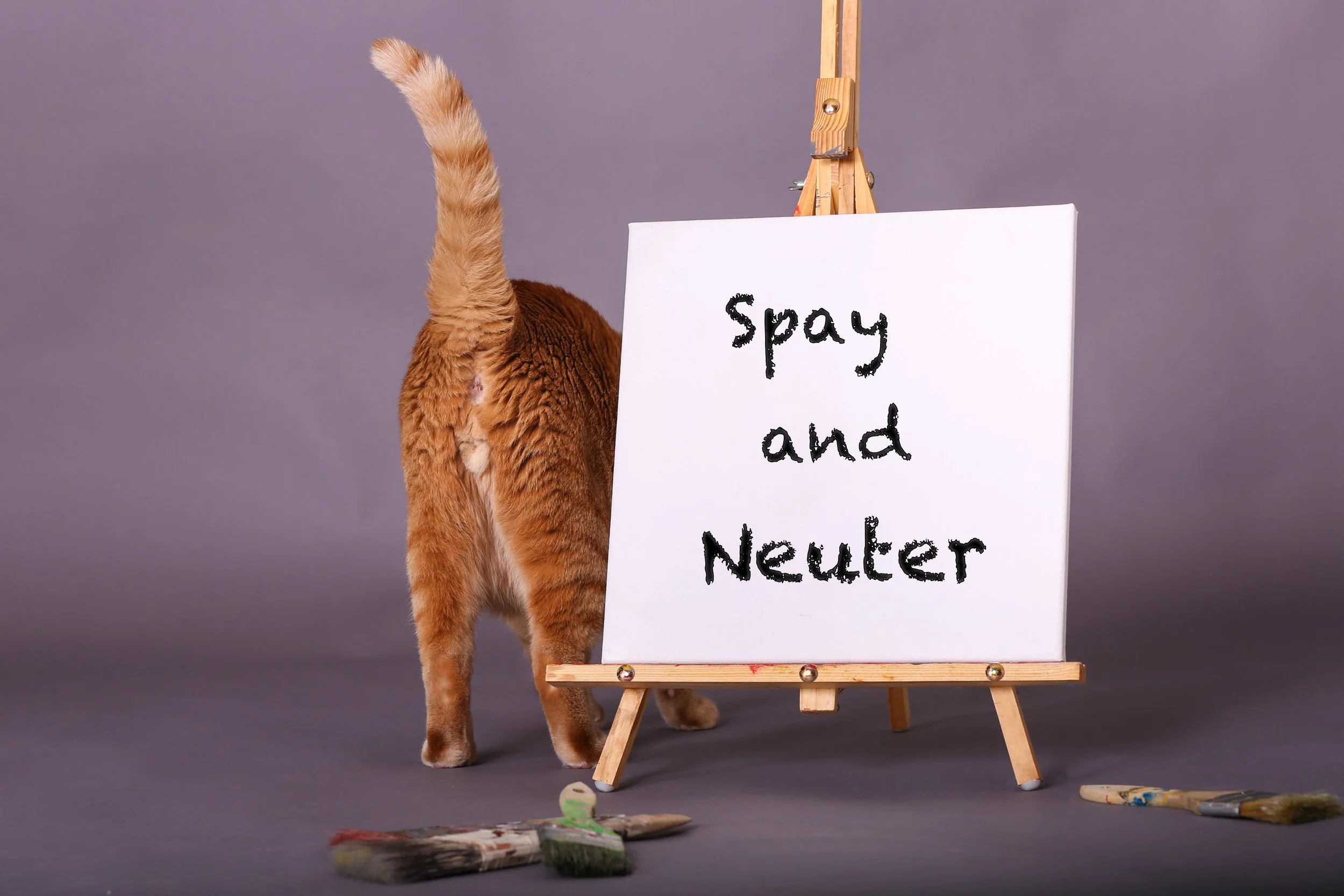
Together, we can FIX THIS
Feral cats reproduce rapidly and continuously when they are not spayed or neutered. Because they live outdoors, receive inconsistent care, and are rarely sterilized, a small number of cats can turn into a large colony in a short time. Kittens who are born into these colonies usually face a very difficult life at the mercy of predators, disease, and the elements.
JMR saw the growth in unwanted kittens in our area and wanted to help. We started a small TNR (Trap, Neuter, Return) program in 2026 and work with other local rescue groups like Kittitas County Friends of Animals to unite our efforts for this cause.
Our county is also facing a problem in which residents can’t afford to spay or neuter their cats, causing additional unwanted litters. We started to offer low cost neuter clinics to help those who have a below-average income affordably fix their male cats. We hope to also provide spay vouchers in the future.
JMR is just starting to make a difference in this area, but is committed to grow our resources so we can keep more kittens from being born into a life of suffering and expand our programs to dogs as well. If you would like to donate towards this cause, please click on our “DONATE” button above. To learn more about our current programs. see below:
-
We have a small team committed to helping Kittitas County residents with feral cat colonies by trapping them, getting them spayed and neutered, and then returning them back to where they came from. This prevents colonies from becoming even bigger. Our wait list right now is about 3 months, but you can get on the list by filling out a form HERE.
-
We host 2-3 low cost cat neuter clinics per year, helping to neuter more than 100 cats. You can get on our waitlist for the next one HERE.
-
Here is a list of low cost spay and neuter clinics:
Yakima Humane Society
106 S 6th Ave, Yakima, WA 98902
https://yakimahumane.org/services/spay-neuter/
Valley Spay and Neuter
3642 Harrah Rd, Harrah, WA 98933
https://yvpr.org/services/spay-neuter-clinic/
Wenatchee Valley Humane Society (Pet cats from owners living in Chelan or Douglas County are accepted. Feral cats from Kittitas County are accepted)
1474 S. Wenatchee Avenue, Wenatchee, WA 98801
https://www.wenatcheehumane.org/spay-neuter
Prevent Homeless Pets
1000 Irma Lane, Benton City, WA 99320, USA
https://www.preventhomelesspets.org/
Pet Overpopulation Prevention (POPP)
1506 Rd 40, Pasco, WA 99301
https://www.popptricities.org/
Feral Cat Spay and Neuter Project
https://www.feralcatproject.org/
Lynnwood location: 17633 Hwy 99, Suite 110, Lynnwood, WA 98037
Renton location: 2000 Benson Rd S, Suite 115, Renton WA, 98055
Seattle Humane Society
13212 SE Eastgate Way, Bellevue, WA 98005
https://www.seattlehumane.org/services/veterinary-care-center/spay-neuter/
Northwest Spay and Neuter
6401 Pacific Ave Tacoma, WA 98408
Homeward Pet
Woodinville – exact address will be given after signing up
https://www.homewardpet.org/public-spay-neuter-clinic/
The NOAH Center
31300 Brandstrom Road, Stanwood WA 98292
https://www.thenoahcenter.org/clinic/
PAWS
15305 44th Ave W, Lynnwood, WA 98087
https://www.paws.org/services-resources/low-income-spay-neuter-services-open/
Facts about cat reproduction:
Cats reach sexual maturity very young
Female cats (queens) can become pregnant as early as 4–6 months old.
This means kittens born in spring can be having kittens by fall of the same year.
Cats can have multiple litters every year
Female cats can go into heat every 2–3 weeks during breeding season.
Outdoor cats often breed year-round, especially in milder climates.
A single female can have 2–3 litters per year.
Litter sizes are large
The average litter is 4–6 kittens, but can be more.
Even if only some kittens survive, population growth remains exponential.
Cats do not need a “rest period” between litters
A female cat can become pregnant again while still nursing her previous litter.
This leads to overlapping generations and constant births.
Male cats breed with multiple females
One unneutered male can impregnate many females in the same area.
This accelerates colony growth even when only a few males are present.